
Slip Rings in a generator are conductive components that allow electrical current to pass between stationary and rotating parts while the machine is running. They are commonly used in certain synchronous generators to deliver excitation current to the rotor field winding. Depending on the equipment design, Slip Rings can also support power or signal transfer in other rotating electrical systems.
For generator manufacturers, industrial equipment OEMs, and procurement teams, understanding the function and design of a generator slip ring assembly helps with component selection, system compatibility, and long-term maintenance planning.
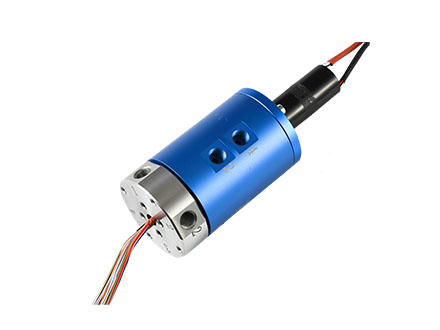
1. What Is a Slip Ring in a Generator?
A slip ring is a circular conductive ring mounted on a rotating shaft or assembly. A stationary brush or contact touches the ring surface to maintain an electrical path during rotation. Multiple rings can be arranged separately to support different electrical circuits.
In a conventional wound-field synchronous generator, Slip Rings connect a stationary excitation circuit to the rotating rotor winding. They are not the same as the generator's main output terminals, and they do not independently generate electricity. Instead, they provide an electrical connection that supports the generator's operating system.
Not every generator uses Slip Rings. Brushless excitation systems and permanent-magnet generators can eliminate the need for conventional slip rings for rotor field excitation, depending on their design.
2. What Does a Slip Ring Do in a Generator?
The primary purpose of a generator slip ring is to maintain electrical continuity across a rotating interface. Its specific function depends on the generator architecture.
Transfers excitation current: In many wound-field synchronous generators, slip rings deliver current to the rotor field winding.
Maintains electrical continuity: The sliding contact allows the rotor to rotate without winding stationary wires around the shaft.
Supports continuous operation: A suitable contact system maintains the electrical path while the machine operates within its specified conditions.
Enables rotating connections: In other rotating machinery, slip ring technology can transfer power, signals, or data between fixed and rotating components.
3. What Are the Main Parts of a Generator Slip Ring?
Conductive Rings
The rings provide the electrical contact surfaces. Copper and copper alloys are common choices, although the exact material depends on current capacity, wear requirements, and the operating environment.
Brushes and Contacts
Brushes maintain sliding contact with the rings as they rotate. Carbon-based brushes are widely used in conventional generator excitation systems. The contact design must balance electrical conductivity, friction, heat generation, and wear.
Insulating Components
Insulation separates individual conductive rings and helps prevent unintended current paths. Material selection depends on voltage, temperature, contamination risk, and the required electrical clearances.
Mounting and Support Structure
The shaft interface, supports, and housing help maintain mechanical alignment and stable operation. Their design must suit the generator's dimensions, rotational speed, and installation conditions.
4. What Types of Slip Rings Are Used in Generators?
The appropriate slip ring type depends on the electrical function, installation space, operating speed, and equipment design.
Conventional brush-type slip rings: Use stationary brushes contacting rotating conductive rings. They are used in many wound-field generator excitation systems.
Compact slip ring assemblies: Designed for applications with limited installation space or specific shaft-mounting requirements.
Customized slip ring systems: Developed around application-specific current ratings, circuit counts, dimensions, insulation, and environmental requirements.
Multi-circuit slip rings: Provide multiple separate conductive paths where the design requires several electrical connections across a rotating interface.
These categories describe common design approaches rather than a universal classification for every generator. Some generators use brushless excitation or other architectures that do not require a conventional slip ring assembly.
5. Slip Rings vs. Brushless Generator Systems
When evaluating a generator design, engineers may compare conventional slip ring excitation with brushless excitation. The right choice depends on maintenance strategy, operating environment, electrical design, and system cost.
| Consideration | Brush-Type Slip Ring System | Brushless Excitation System |
|---|---|---|
| Electrical connection | Uses sliding contact between brushes and rings | Uses a brushless excitation arrangement |
| Contact wear | Brushes and ring surfaces may wear over time | Avoids conventional excitation brushes and rings |
| Maintenance | Requires appropriate brush and contact inspections | Requires maintenance suited to its excitation components |
| Design suitability | Suitable for generator designs using rotating field connections | Suitable for generator designs engineered for brushless excitation |
Neither design is universally better for every application. Engineers should consider the generator architecture, operating conditions, maintenance access, and total lifecycle requirements before making a decision.
6. Where Are Generator Slip Rings Used?
Industrial power generation: Used in certain synchronous generators to transfer excitation current.
Marine generators: Applied in generator designs requiring electrical connections across rotating components.
Wind energy equipment: Used in selected generator or auxiliary rotating systems, depending on the configuration.
Specialized rotating machinery: Used where power or signals must cross between stationary and rotating components.
7. What Should Buyers Check Before Sourcing Slip Rings?
When sourcing a slip ring supplier or manufacturer for generator applications, procurement teams should confirm that the proposed component matches the equipment's electrical and mechanical requirements.
Rated voltage and current: Confirm the operating values for each circuit, including expected peak loads.
Number of circuits: Specify the required electrical paths and their functions.
Dimensions and mounting: Provide shaft diameter, installation space, and interface drawings.
Rotational speed: State the normal and maximum operating RPM.
Materials and insulation: Confirm the requirements for conductivity, wear, temperature, and electrical isolation.
Environmental protection: Identify exposure to dust, humidity, vibration, and other site conditions.
Quality and testing: Ask about applicable electrical, mechanical, and dimensional inspection procedures.
For customized projects, supplying technical drawings and a clear operating specification can help the manufacturer assess feasibility, reduce compatibility risks, and prepare a more accurate quotation.
8. Frequently Asked Questions
Are slip rings part of every generator?
No. Slip rings are used in certain generator architectures, particularly wound-field synchronous generators with brush-type excitation. Brushless and permanent-magnet designs may not need conventional field-excitation slip rings.
Are generator slip rings AC or DC?
A slip ring is a conductive contact component, not inherently an AC or DC device. In many wound-field synchronous generators, the slip rings carry DC excitation current to the rotor. Other slip ring systems can transfer AC power or signals, depending on their design.
What is the difference between a slip ring and a commutator?
A slip ring maintains a continuous connection between rotating and stationary circuits. A commutator changes circuit connections as a machine rotates and is commonly used in brushed DC machines.
Do slip rings require regular maintenance?
Conventional brush-type slip rings generally require inspection of brush wear, contact surfaces, connections, and contamination. The inspection schedule should follow the equipment manufacturer's guidance and actual operating conditions.
Can a slip ring be designed for a specific generator?
Yes. Depending on feasibility, a manufacturer can develop an assembly to match the required dimensions, circuit count, electrical ratings, mounting method, and environmental conditions.
Conclusion
Slip rings in a generator are conductive components that maintain an electrical connection between stationary and rotating circuits. In many conventional synchronous generators, they supply excitation current to the rotor field winding. Their design, materials, and maintenance requirements depend on the generator's electrical architecture and operating conditions.
For equipment OEMs and industrial buyers, understanding these factors makes it easier to specify the right generator slip ring assembly and communicate technical requirements to a manufacturer.
Need a Customized Rotating Electrical Connector?
If your project requires a slip ring assembly for a generator or other rotating equipment, prepare the key electrical ratings, installation dimensions, and operating conditions for a technical review.