
Slip Rings play an important role in many electrical generators by maintaining an electrical connection between stationary and rotating components. They allow electrical current to pass between these components while the shaft continues to rotate. For equipment manufacturers, understanding how Slip Rings work in a generator is essential when selecting reliable components for stable power transmission, long service life, and reduced maintenance requirements.
A properly designed generator slip ring can support continuous operation in industrial machinery, wind power systems, and other rotating electrical equipment. This article explains the working principle, main components, common applications, and key considerations for sourcing slip ring assemblies.
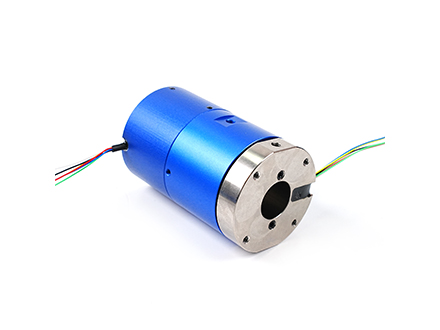
1. What Is the Working Principle of a Generator Slip Ring?
A slip ring works by maintaining sliding electrical contact between a rotating conductive ring and a stationary contact, usually a brush. As the generator shaft rotates, the ring turns with it, while the brush remains stationary and touches the ring surface. This arrangement allows electrical current to pass between the rotating and stationary sides without twisting or tangling wires.
In a generator, the exact role of the slip ring depends on the generator design. In many wound-field synchronous generators, Slip Rings deliver DC excitation current from a stationary excitation system to the rotating field winding. The energized rotor creates a magnetic field, and the rotating magnetic field induces AC voltage in the stator windings.
It is important to distinguish this arrangement from generators that use brushless excitation or permanent magnets. These designs may not require conventional rotor slip rings for field excitation.
2. How Do Slip Rings Work Step by Step?
Step 1: The Generator Shaft Rotates
A prime mover, such as a turbine or engine, drives the generator shaft. The rotor and the slip rings mounted on the shaft rotate together at the required operating speed.
Step 2: The Brushes Maintain Electrical Contact
Stationary brushes are pressed against the conductive surfaces of the rotating rings. The brush material and contact pressure are selected to provide suitable conductivity while controlling friction and wear.
Step 3: Current Passes Through the Slip Ring Assembly
Electrical current flows from the stationary circuit through the brush and into the conductive ring, then through the connected rotor circuit. In a wound-field generator, this current energizes the rotor field winding to establish the magnetic field needed for generation.
Step 4: The Generator Produces Electrical Power
As the rotor magnetic field moves relative to the stator windings, electromagnetic induction produces voltage in the stator. The generator's overall electrical design determines how the output voltage and frequency are controlled.
Step 5: The Contact System Operates During Rotation
The brush continuously follows the ring surface as the shaft rotates. Proper material selection, surface finish, alignment, cooling, and maintenance help keep contact resistance and wear within acceptable limits.
3. What Are the Main Components of a Generator Slip Ring?
Conductive rings: Provide rotating electrical contact surfaces and are commonly made from copper alloys or other conductive materials suitable for the operating conditions.
Brushes or stationary contacts: Transfer current between the fixed circuit and rotating ring. Carbon-based brushes are common in conventional generator excitation systems.
Insulation: Electrically separates individual rings and conductive paths to reduce the risk of short circuits.
Shaft mounting structure: Holds the rotating assembly in position and maintains mechanical stability during operation.
Housing and support components: Protect and support the assembly according to the generator's mechanical and environmental requirements.
4. What Affects Generator Slip Ring Performance?
Electrical Current and Voltage
The rated current, operating voltage, and insulation requirements determine the appropriate conductor dimensions, contact arrangement, and electrical clearances. Buyers should provide both normal operating values and any expected peak conditions.
Rotational Speed
Higher rotational speeds can increase frictional heating, mechanical stress, and contact wear. The slip ring assembly must be designed for the generator's actual speed range and duty cycle.
Contact Materials and Surface Finish
Ring and brush materials influence conductivity, wear rate, friction, and maintenance intervals. Material combinations should be selected according to current density, speed, temperature, and the intended operating environment.
Operating Environment
Dust, moisture, vibration, temperature changes, and corrosive conditions can affect electrical contact reliability. A suitable enclosure, insulation system, and maintenance plan can help improve service life.
Maintenance Requirements
Conventional brush-type systems may require periodic inspection of brush wear, contact surfaces, and electrical connections. The actual maintenance interval depends on the design and operating conditions.
5. Common Applications of Generator Slip Rings
Industrial generators: Transfer excitation current in selected synchronous generator designs.
Wind power systems: Support electrical connections in certain rotating generator or auxiliary systems, depending on the architecture.
Marine power equipment: Provide Rotating Electrical Connections in suitable generator configurations.
Power generation machinery: Enable electrical transfer between stationary and rotating circuits in equipment designed to use slip rings.
Special-purpose rotating equipment: Support power or signal transmission where continuous rotation makes fixed wiring impractical.
6. How to Choose the Right Generator Slip Ring Assembly
For OEMs, equipment manufacturers, and industrial buyers, selecting the right slip ring assembly requires more than matching the outside diameter. The following details help a slip ring manufacturer evaluate the application and recommend a suitable design.
Electrical specifications: Rated voltage, current per circuit, circuit count, and insulation requirements.
Mechanical dimensions: Shaft diameter, overall dimensions, mounting method, and installation space.
Operating speed: Normal RPM, maximum RPM, and expected operating cycle.
Environmental conditions: Temperature, humidity, dust exposure, vibration, and enclosure requirements.
Service life and maintenance: Expected operating hours, inspection access, and acceptable maintenance intervals.
Customization requirements: Special wiring, mounting interfaces, materials, or integration with existing generator equipment.
Providing a drawing, installation dimensions, and operating specifications at the quotation stage can help reduce design revisions and improve compatibility with the generator system.
7. Frequently Asked Questions
Do all generators use slip rings?
No. Some generators use slip rings to supply excitation current to a rotating field winding, while brushless generators and permanent-magnet designs can operate without conventional field-excitation slip rings.
What is the purpose of slip rings in a generator?
In a conventional wound-field synchronous generator, slip rings transfer excitation current between stationary and rotating circuits. Other slip ring designs can transfer power or signals in rotating equipment.
What is the difference between a slip ring and a commutator?
A slip ring maintains a continuous electrical connection without reversing the connection each half-turn. A commutator switches electrical connections in a specific sequence and is commonly associated with brushed DC machines.
How long does a generator slip ring last?
Service life varies with current, rotational speed, contact materials, environmental conditions, and maintenance. Buyers should evaluate the manufacturer's rated operating conditions and maintenance recommendations rather than relying on a single general lifespan.
Can generator slip rings be customized?
Yes. Depending on the application, a manufacturer may customize dimensions, current ratings, circuit configuration, mounting interfaces, insulation, and other mechanical or electrical features.
Conclusion
Slip rings enable electrical current to cross between stationary and rotating components through continuous sliding contact. In generators that use wound-field excitation, they help supply current to the rotor field winding so the generator can produce electrical power. Their performance depends on electrical ratings, rotational speed, contact materials, environmental conditions, and maintenance.
When sourcing a generator slip ring or a customized rotating electrical connector, provide the equipment specifications and operating requirements to help ensure the selected assembly matches the application.
Looking for a Slip Ring Solution for Your Equipment?
Share your electrical ratings, mechanical drawings, rotational speed, and application requirements with our team to discuss a suitable rotating electrical connection solution for your project.