
Electricians use different types of electrical connectors to join wires, terminate cables, connect equipment, and maintain reliable electrical circuits. The right connector depends on the wiring method, conductor size, electrical ratings, installation environment, and whether the connection needs to be permanent or detachable.
In addition to connectors used in building wiring, industrial electricians and maintenance technicians may work with specialized electrical connection components designed for machinery and automated equipment.
1. Common Connectors Used by Electricians
Wire Connectors
Wire connectors are used to join electrical conductors securely. Common options include twist-on wire connectors, push-in connectors, and lever-operated connectors. The connector must be suitable for the conductor material, wire size, voltage rating, and installation conditions.
Crimp Connectors
Crimp connectors are attached to conductors using a compatible crimping tool. Common examples include butt connectors, ring terminals, and spade terminals. They are widely used in control panels, equipment wiring, automotive electrical systems, and industrial maintenance.
Terminal Blocks
Terminal blocks provide organized connection points for electrical wires. Electricians and control panel technicians use them to connect and distribute circuits in electrical cabinets, automation systems, and industrial machinery.
Plug and Socket Connectors
Plugs and sockets provide detachable electrical connections for appliances, tools, and equipment. Industrial versions may feature locking mechanisms and protective housings suited to particular operating environments.
Conduit and Cable Connectors
Conduit connectors and cable glands help secure conduits or cables where they enter electrical enclosures. Depending on the design, they may provide mechanical support, strain relief, or environmental sealing. They must be selected according to the enclosure, cable, and installation requirements.
Specialized Industrial Connectors
Industrial electricians may also work with connectors designed for specific machinery or operating conditions. Examples include circular connectors, sensor connectors, and electrical connection devices for equipment with moving components.
2. How Do Electricians Choose the Right Connector?
Choosing an electrical connector involves more than matching its physical dimensions to a wire. Electricians must verify that the component is appropriate for the circuit and the installation environment.
Wire size: Check the conductor gauge or cross-sectional area supported by the connector.
Electrical ratings: Confirm voltage and current ratings against the circuit requirements.
Conductor material: Ensure the connector is approved for the conductor material, such as copper or aluminum, as applicable.
Installation method: Use the specified crimping, clamping, or other termination method.
Environmental protection: Consider moisture, dust, temperature, vibration, and corrosion where relevant.
Applicable standards: Follow local electrical codes and the manufacturer's installation instructions.
Using a connector outside its specified ratings or installing it incorrectly can lead to loose connections, overheating, or electrical failure. Suitable components and correct installation practices are essential for safety.
3. What Connectors Are Used in Industrial Machinery?
Industrial machinery may require more specialized connection solutions than ordinary building wiring. Control panels, sensors, motors, rotating platforms, and automated production equipment can each have different electrical and mechanical requirements.
Terminal blocks are commonly used for organized panel wiring, while circular connectors may provide detachable connections for sensors, power supplies, and control equipment. Cable glands help secure cables where they enter enclosures.
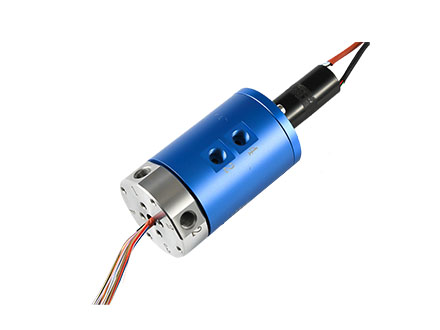
In machinery that rotates during operation, conventional fixed wiring may not be suitable for transferring electrical power or signals between stationary and rotating sections. A rotating electrical connector, such as an appropriately specified Slip Ring, may be used to support electrical transmission during rotation.
These specialized components are selected according to the equipment's circuit requirements, rotational speed, mounting dimensions, operating conditions, and maintenance needs. They are not interchangeable with ordinary wire connectors or terminal blocks.
4. Wire Connectors vs. rotating electrical connectors
Although both are used in electrical systems, wire connectors and rotating electrical connectors serve different purposes.
Wire connectors: Join conductors or establish electrical terminations in wiring installations.
Rotating electrical connectors: Support electrical transmission between stationary and rotating components when the application requires it.
For example, a wire connector may be used to terminate a cable inside an electrical cabinet. A rotating electrical connector may be integrated into a rotary machine to transfer power or signals across a rotating interface.
Understanding this distinction helps maintenance teams and equipment manufacturers identify the correct component for each connection point.
5. Frequently Asked Questions
What is the most commonly used wire connector?
Common choices include twist-on wire connectors, push-in connectors, lever connectors, and crimp terminals. The appropriate type depends on the wire, circuit ratings, installation method, and applicable electrical codes.
Are wire connectors and terminal blocks the same?
No. Wire connectors generally join or terminate conductors, while terminal blocks provide structured connection points for wiring in equipment and electrical panels.
What connectors do industrial electricians use?
Industrial electricians may use terminal blocks, crimp terminals, circular connectors, cable glands, sensor connectors, and other components depending on the equipment. Rotating machinery may also require specialized rotary electrical transmission devices.
When is a rotating electrical connector needed?
It may be needed when power or signals must pass between stationary and rotating parts of equipment. The specific design depends on the required electrical performance, mechanical movement, and operating environment.
Conclusion
Electricians use a range of connectors, including wire connectors, crimp terminals, terminal blocks, plugs, sockets, and cable glands. Each type serves a different purpose and must meet the requirements of the electrical system.
For industrial equipment involving rotating components, specialized solutions such as rotating electrical connectors may be necessary. Understanding the difference between conventional wiring connectors and rotary electrical transmission devices helps buyers and maintenance teams select the right components for reliable equipment operation.