
Connectors are essential components in electrical and electronic systems. They establish connections between wires, cables, circuit boards, and equipment, allowing electrical power or signals to pass between different components. Different connector types are designed for specific applications, depending on current requirements, voltage ratings, environmental conditions, and installation methods.
For equipment manufacturers, engineers, and industrial buyers, understanding the different types of electrical connectors helps ensure reliable connections and suitable component selection.
1. What Are the Main Types of Electrical Connectors?
Wire Connectors
Wire connectors join two or more electrical wires to establish a secure connection. Common examples include twist-on wire connectors, push-in connectors, and crimp connectors. They are widely used in electrical installations, wiring projects, and equipment assembly.
Terminal Connectors
Terminal connectors provide connection points between wires and electrical equipment. Ring terminals, spade terminals, and terminal blocks are commonly used in control panels, machinery, automotive systems, and industrial wiring.
Plug and Socket Connectors
Plug and socket connectors allow electrical devices or cables to be connected and disconnected. They are commonly found in household appliances, industrial equipment, power distribution systems, and electronic devices. Their specifications vary according to the intended voltage, current, and operating environment.
PCB Connectors
Printed circuit board (PCB) connectors connect circuit boards to wires, cables, or other electronic components. They are used in electronic equipment, control systems, communication devices, and industrial electronics.
Circular Connectors
Circular connectors feature a round housing and are available in different contact configurations. Depending on their design, they can transmit power, signals, or data. They are frequently used in industrial automation, instrumentation, transportation, and other applications requiring a compact and secure connection.
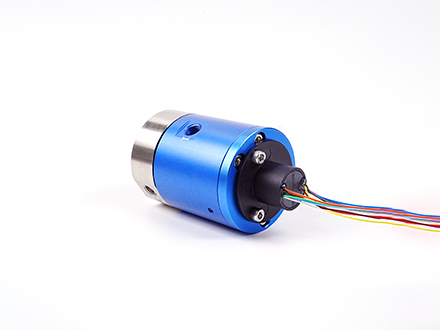
rotating electrical connectors
Rotating electrical connectors are designed for applications where electrical connections must be maintained between stationary and rotating components. Depending on the design, these devices can support the transfer of electrical power, control signals, or other specified signals during rotation.
They are useful in equipment such as rotary tables, rotating platforms, industrial machinery, and automated systems where continuous rotation would otherwise complicate conventional cable connections. Slip Rings are one common technology used to achieve electrical transmission between stationary and rotating parts.
2. How Do You Choose the Right Connector?
Selecting a suitable electrical connector requires evaluating the operating requirements of the complete system rather than choosing a connector based on appearance alone.
Voltage and current: Confirm that the connector's electrical ratings meet the system requirements.
Signal requirements: Determine whether the connection needs to transmit power, control signals, or other types of signals.
Installation method: Consider whether the connector must support permanent wiring, quick disconnection, or equipment integration.
Environmental conditions: Evaluate temperature, moisture, dust, vibration, and other operating conditions.
Mechanical movement: For rotating equipment, determine whether the connection must remain operational during continuous or intermittent rotation.
Maintenance requirements: Consider accessibility, expected service life, and the ease of inspection or replacement.
3. When Do You Need a Rotating Electrical Connector?
A conventional connector is generally suitable when the connected components remain stationary relative to each other or only require occasional disconnection. However, applications involving continuous rotation may need a specialized electrical connection solution.
A rotating electrical connector can help maintain electrical transmission between stationary and rotating sections of equipment. Depending on the design, it may be used to transmit power, control signals, or other electrical signals without relying on a conventional cable connection that twists repeatedly during rotation.
Typical applications may include rotary indexing tables, rotating machinery, industrial automation equipment, and motorized platforms. The appropriate solution depends on the required number of circuits, electrical ratings, rotational speed, installation space, and operating environment.
4. Rotating Electrical Connectors vs. Conventional Connectors
The main difference lies in the movement of the connected components.
Conventional connectors: Generally connect stationary components or provide detachable connections for wiring and equipment.
Rotating electrical connectors: Are designed for applications that require electrical transmission between stationary and rotating components.
Not every rotating electrical connector uses the same transmission technology. For example, some designs use sliding electrical contacts, while other specialized systems use contactless transmission methods. Buyers should confirm the product's operating principle and technical specifications before selecting a solution.
5. Frequently Asked Questions
What is the most common type of electrical connector?
Common types include wire connectors, terminal connectors, plug and socket connectors, and PCB connectors. The most suitable type depends on the electrical system and installation requirements.
What is a rotating electrical connector used for?
A rotating electrical connector is used when electrical power or signals must pass between stationary and rotating components. Typical applications include rotating machinery, rotary tables, and industrial automation systems.
Is a rotating electrical connector the same as a Slip Ring?
Not necessarily. A Slip Ring is a common type of rotary electrical transmission device that transfers electrical power or signals between stationary and rotating components. The term rotating electrical connector can refer to a broader range of designs, depending on the manufacturer and product specification.
How do I choose an industrial electrical connector?
Consider voltage, current, signal type, mechanical requirements, installation dimensions, environmental conditions, and expected service life. For rotating applications, rotational speed and the number of required circuits are also important.
Conclusion
Electrical connectors are available in many types, from simple wire connectors and terminals to specialized devices for industrial equipment. Understanding the differences helps engineers and buyers select components that meet their electrical and mechanical requirements.
For systems involving continuous rotation, a rotating electrical connector may be an appropriate solution for maintaining electrical transmission between stationary and rotating components. Reviewing the application's operating conditions and technical specifications is essential to selecting the right product.