
An Electrical Swivel Joint is a component designed to maintain electrical connections between stationary and rotating parts of a machine. It allows power, electrical signals, or data to pass between components while enabling relative rotation. This makes it useful in equipment where conventional wiring could become twisted, tangled, or damaged during continuous or repeated movement.
Electrical Swivel Joints are commonly used in industrial automation, rotating machinery, robotics, inspection equipment, and other systems that require reliable electrical transmission during rotation. Depending on the design, an Electrical Swivel Joint may support different circuit configurations, operating speeds, and electrical loads.
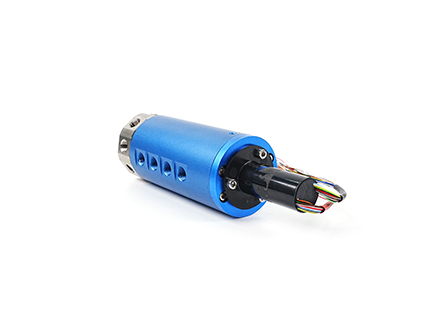
1. Electrical Swivel Joints in Industrial Automation
Industrial automation equipment often contains rotating platforms, indexing tables, and moving mechanical assemblies. These systems may require power and control signals to be transmitted between stationary and rotating components.
An electrical swivel joint helps maintain these connections while allowing the equipment to rotate. By reducing the need for cables to move freely around a rotating assembly, it can simplify cable routing and support more organized equipment design.
For automated production lines, the selection of an electrical swivel joint should take into account the required number of circuits, operating speed, electrical ratings, and installation space.
2. Electrical Swivel Joints for Robotics
Robotic systems often involve repeated or continuous movement across multiple axes. If cables are not properly managed, repeated bending and twisting may increase wear and affect equipment reliability.
An electrical swivel joint can be integrated into certain robotic joints or rotating assemblies to transfer power and signals between moving components.
Depending on the robotic application, the required solution may need to accommodate signal transmission, power circuits, compact dimensions, or specific mechanical installation requirements.
3. Use in Rotating Inspection and Measuring Equipment
Inspection and measuring equipment may use rotating fixtures, platforms, or sensor assemblies to collect data from different angles.
In these applications, an electrical swivel joint can help maintain electrical connections between the rotating part and the stationary control system.
This arrangement can support the transmission of sensor signals, control signals, and electrical power without requiring conventional cables to rotate together with the equipment.
4. Electrical Swivel Joints in Rotating Machinery
Many industrial machines include rotating components that require electrical connections during operation. Examples may include rotating workstations, automated handling systems, cable-managed rotating assemblies, and specialized production equipment.
An electrical swivel joint can provide a practical connection solution for these systems by allowing electrical transmission during relative rotation.
Before selecting a product, engineers should confirm the required rotational movement, electrical load, circuit configuration, and mechanical interface.
5. Applications in Camera and Monitoring Systems
Some rotating camera and monitoring systems require electrical power and signal transmission between a stationary mounting structure and a rotating camera assembly.
An Electrical Rotary Joint can help maintain these connections while the camera rotates.
For systems that transmit video, Ethernet, or other high-frequency signals, the electrical swivel joint must be specifically designed and rated for the required signal type. Not every electrical swivel joint supports high-speed data transmission.
6. Electrical Swivel Joints for Packaging and Processing Equipment
Packaging and processing machinery may use rotating mechanisms to position, transfer, or process products. These mechanisms sometimes require power or control signals to pass between rotating and stationary sections.
An electrical swivel joint can help reduce cable entanglement and simplify the electrical connection between moving assemblies.
For high-cycle applications, operating speed, contact design, service life, and maintenance requirements should be evaluated before installation.
7. Key Benefits of Using an Electrical Swivel Joint
Depending on the product design and operating conditions, an electrical swivel joint can provide several practical benefits:
Electrical transmission during rotation: Supports the transfer of power or signals between stationary and rotating components.
Improved cable management: Reduces the need for conventional cables to twist around rotating assemblies.
Flexible equipment design: Makes it easier to integrate electrical connections into rotating mechanisms.
Support for multiple circuits: Certain models can transmit several independent electrical circuits.
Application-specific configurations: Products may be customized for different electrical, mechanical, and installation requirements.
The actual performance and benefits depend on the electrical swivel joint's construction, rated specifications, and application conditions.
8. How to Select the Right Electrical Swivel Joint
When selecting an electrical swivel joint for industrial equipment, engineers and purchasing teams should consider the following factors:
Number of electrical circuits
Rated voltage and current
Required rotational speed
Signal type and transmission requirements
Installation dimensions and mounting method
Operating temperature and environmental conditions
Expected service life and duty cycle
OEM customization requirements
For specialized equipment, working with an experienced electrical swivel joint manufacturer can help ensure that the selected product matches the mechanical and electrical requirements of the system.
An electrical swivel joint is used to maintain electrical connections between rotating and stationary components in industrial equipment. It can support power transmission, signal transmission, and improved cable management in applications such as industrial automation, robotics, inspection equipment, and rotating machinery.
Choosing the right product requires careful consideration of electrical specifications, rotational requirements, mechanical dimensions, and operating conditions.
Looking for an electrical swivel joint for your industrial application? Contact our team to discuss your required specifications, application conditions, and customization needs.