Information
Focus on RHD Precision Industry - Get to know the new information of the industry quickly!


Focus on RHD Precision Industry - Get to know the new information of the industry quickly!
2026-09-05 15:19:18
Rotary Unions are important mechanical components used to transfer fluids between stationary supply lines and rotating machine components. They allow cooling water, hot water, steam, thermal oil, air or other process media to flow continuously while shafts, rollers, drums or cylinders rotate.
Because many industrial machines require simultaneous rotation and fluid circulation, rotary unions are widely used across different industries. Typical applications include plastics machinery, printing equipment, textile machines, paper processing equipment, machine tools, rubber machinery and metal processing systems.
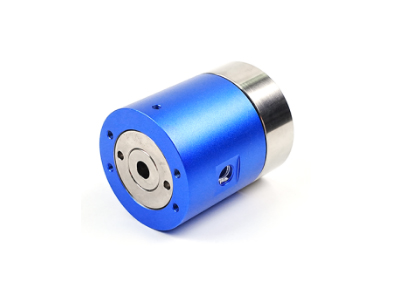
A Rotary Union, also known as a rotary joint in some applications, is a mechanical device designed to connect stationary piping with rotating equipment. Its main function is to provide a continuous fluid passage while allowing the connected machine component to rotate.
A typical rotary union consists of a stationary housing, rotating connection, internal flow passages, bearings or support structures and sealing components. The exact construction depends on the operating medium, pressure, temperature, rotational speed and application requirements.
Without a rotary union, connecting a fixed fluid pipe directly to a rotating component could cause the hose or pipe to twist, wear or fail. A rotary union provides a controlled interface between the stationary and rotating sections of the system.
The working principle of rotary unions is relatively straightforward. The process medium enters through the stationary side of the rotary union and passes through internal flow passages toward the rotating component.
As the connected shaft, roller or drum rotates, the internal sealing system maintains contact between the stationary and rotating parts. This allows fluid transfer to continue without requiring the supply pipe to rotate together with the machine.
In cooling applications, for example, cooling water enters the rotary union, flows through internal passages in a rotating roller and absorbs heat. The warmed water then returns through the outlet and continues through the machine's circulation system.
Rotary unions for plastics machinery are commonly used in extrusion equipment, film production lines and other plastic processing systems that use temperature-controlled rotating components.
Cooling rollers and heating rollers may require continuous circulation of water, hot water, steam or thermal oil. A rotary union provides the connection between the stationary fluid system and the rotating roller.
Stable temperature control can be important for plastic film thickness, surface quality and processing consistency. Therefore, the rotary union needs to be selected according to the required temperature, pressure, rotational speed and process medium.
Printing machinery often contains rotating cylinders and rollers that require temperature regulation during operation. Rotary unions for printing machinery can transfer cooling or heating media to these rotating components.
Depending on the printing process and machine design, water, hot water or other thermal media may be circulated through printing rollers. The rotary union allows the roller to rotate continuously while maintaining the required fluid connection.
Reliable fluid transfer can help maintain stable roller temperatures and support consistent printing conditions during continuous production.
Textile production equipment may use heated or cooled rollers, cylinders and drums during processes such as fabric finishing, drying, coating and calendering.
Rotary unions in textile machinery allow process fluids to enter and leave rotating components without restricting their movement. Depending on the equipment, applications may involve steam, hot water, cooling water or thermal oil.
When selecting a rotary union for textile machinery, operating temperature, rotational speed, pressure and seal compatibility should be considered carefully because many textile machines operate continuously for extended periods.
Paper manufacturing and converting equipment uses numerous rotating cylinders and rollers. Some of these components require steam or other thermal media for heating, while others may require cooling.
A rotary union for paper machinery can provide continuous transfer of steam, condensate, water or other suitable media between stationary piping and rotating cylinders.
Proper fluid circulation helps support temperature control during paper drying, coating, calendering and converting processes. The rotary union should be matched to the cylinder speed, operating pressure, temperature and connection configuration.
Machine tools can use rotary unions to supply coolant, cutting fluid or other media to rotating components. Applications may include machining centers, grinding machines, drilling equipment and other rotating tool systems.
In high-speed machining applications, the rotary union must be designed for the required rotational speed and pressure. The sealing system and internal flow path should also be suitable for the selected coolant or cutting fluid.
A properly selected high-speed rotary union can help maintain continuous coolant delivery while the spindle or other rotating component operates at high speed.
Rubber processing equipment often uses heated or cooled rollers, drums and cylinders. Temperature control can affect material processing, forming and surface characteristics.
Rotary unions for rubber machinery can transfer water, steam, thermal oil or other process media into rotating equipment. This allows manufacturers to maintain a controlled thermal environment during continuous processing.
For high-temperature applications, the rotary union must use sealing and material configurations suitable for the actual operating temperature and process medium.
Metal processing equipment may use rotating rolls, drums and other components that require cooling or heating. In these applications, rotary unions can transfer cooling water or other process fluids to rotating equipment.
For example, cooling systems may use rotary unions to deliver water to rotating rolls during metal forming or processing operations. Because these environments can involve high temperatures, high pressure and continuous operation, the rotary union needs to be selected according to the actual working conditions.
Some food processing and packaging machines use rotating drums, rollers and cylinders that require temperature control or fluid transfer.
In suitable applications, rotary unions can be used to supply hot water, cooling water or other approved process media to rotating components. Material compatibility, hygiene requirements and sealing performance are particularly important when selecting components for food processing equipment.
| Machinery | Typical Rotating Components | Common Media |
|---|---|---|
| Plastics Machinery | Cooling & heating rollers | Water, hot water, steam, thermal oil |
| Printing Machinery | Printing rollers and cylinders | Water, hot water, thermal media |
| Textile Machinery | Rollers, drums and cylinders | Steam, water, thermal oil |
| Paper Machinery | Drying cylinders and rollers | Steam, condensate, water |
| Machine Tools | Spindles and rotating tools | Coolant, cutting fluid |
| Rubber Machinery | Heating and cooling rollers | Water, steam, thermal oil |
| Metal Processing Machinery | Processing rolls and drums | Cooling water, process fluids |
Different machines have different operating conditions, so a rotary union should not be selected based only on connection size. Several technical factors need to be considered before choosing a suitable model.
First determine what medium will pass through the rotary union. Water, steam, thermal oil, air and other fluids can require different sealing materials and internal configurations.
Temperature directly affects seal performance and component materials. High-temperature applications such as steam and thermal oil systems require rotary unions designed for the specified temperature range.
The rotary union should be capable of handling the system's maximum working pressure. Pressure requirements can vary significantly between cooling, heating and high-pressure fluid systems.
The required rotational speed is another important consideration. High-speed applications require rotary unions with suitable bearing, sealing and balancing characteristics.
The inlet and outlet connections should match the machine's piping and shaft configuration. Correct connection dimensions help simplify installation and maintain appropriate fluid flow.
The orientation and mounting method of the rotary union can vary between machines. Shaft dimensions, available installation space and the direction of rotation should be considered before selecting a model.
Although rotary unions are designed for continuous operation, incorrect selection, installation or operating conditions can lead to problems.
Leakage may occur because of seal wear, excessive pressure, incorrect installation, shaft misalignment or unsuitable operating conditions.
Unusual noise or vibration may indicate mechanical wear, improper alignment or operating conditions outside the recommended range.
Blocked internal passages, contaminated process media or incorrect piping can reduce fluid flow and affect the performance of the connected rotating component.
Operating a rotary union beyond its specified temperature, pressure or rotational speed can accelerate wear. Selecting the correct configuration and maintaining suitable operating conditions can help improve service life.
Enable continuous fluid transfer to rotating components
Support cooling and heating applications
Allow continuous machine rotation
Reduce problems caused by twisted flexible hoses
Support temperature control of rollers and cylinders
Suitable for continuous industrial production
Available for different operating media and machine configurations
A rotary union is used to transfer fluids between stationary piping and rotating machine components while maintaining a sealed connection.
Rotary unions are used in many types of industrial machinery, including plastics machinery, printing machines, textile equipment, paper machinery, machine tools, rubber processing equipment and metal processing machinery.
Depending on the design, rotary unions can be used with cooling water, hot water, steam, thermal oil, air and other process media.
Important selection factors include the process medium, operating temperature, pressure, rotational speed, connection size, shaft configuration and installation requirements.
The terms are often used interchangeably in industrial applications. Both generally refer to components that provide fluid transfer between stationary and rotating equipment. The exact terminology can vary by manufacturer and application.

Phone: +86 13622631318
Email:info@reehonde.com
Add: Room 301, Building 1, No. 11, Dalingshan Lakeside South 1st Street, Dalingshan Town, Dongguan City, Guangdong Province, China
Copyright © 2026 Dongguan Rui-Hong-De Precision Industry Co., Ltd All rights reserved. Privacy policy | Terms and Conditions


