Information
Focus on RHD Precision Industry - Get to know the new information of the industry quickly!


Focus on RHD Precision Industry - Get to know the new information of the industry quickly!
2026-09-05 15:16:40
A rotary union for plastics machinery is a mechanical component designed to transfer fluids such as cooling water, hot water, steam, thermal oil or other process media between stationary and rotating machine components. It allows the fluid to flow continuously while the connected shaft, roller, cylinder or other rotating component is in motion.
Rotary Unions are commonly used in plastic extrusion equipment, injection molding machines, plastic film machinery, cooling rollers and other continuous production systems. By providing a controlled connection between stationary fluid lines and rotating components, a Rotary Union helps maintain stable temperature control and reliable machine operation.
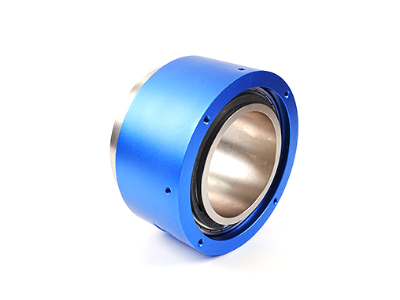
A rotary union, also called a rotary joint or rotary coupling in some applications, is a mechanical device that connects a stationary fluid supply to a rotating component. Unlike a conventional fixed pipe connection, a rotary union is designed to accommodate continuous rotation while maintaining a sealed fluid passage.
In plastics machinery, many rollers, cylinders and processing components need to rotate while receiving cooling or heating media. Directly connecting a stationary pipe to a rotating shaft would cause the pipe to twist and eventually fail. A rotary union solves this problem by allowing the rotating and stationary parts to connect through a specialized sealing and bearing structure.
The working principle of a rotary union for plastics machinery can be understood through several basic steps.
The process medium first enters the rotary union through a stationary inlet connected to the machine's fluid supply system. Depending on the application, the medium may be cooling water, hot water, steam, thermal oil or another compatible fluid.
Inside the rotary union, an internal passage guides the fluid toward the rotating shaft or machine component. The rotary union is mechanically connected to the rotating part, allowing fluid transfer without restricting normal rotation.
Specialized sealing elements are positioned between the stationary and rotating components. These seals maintain contact during rotation and prevent the process medium from escaping into the surrounding machine area.
Seal selection is particularly important in plastics machinery because operating temperature, pressure, rotational speed and fluid type can vary significantly between applications.
After entering the rotating component, the fluid can circulate through internal channels or passages to transfer heat. For example, cooling water may remove heat from a rotating roller, while hot water, steam or thermal oil may provide controlled heating.
In a typical circulation system, the heated or cooled medium leaves the rotating component through a return passage and flows back through the rotary union to the machine's return line. This creates a continuous circulation loop.
Temperature control is an important part of many plastics processing operations. Plastic materials must often be heated, cooled or maintained within a specific temperature range during extrusion, molding, film production and other processes.
Rotating components such as rollers and cylinders may require internal fluid circulation to maintain consistent surface temperature. A rotary union for plastics machinery provides the connection required to deliver and remove this process medium while the component continues rotating.
This can help manufacturers achieve more stable thermal management, reduce unnecessary downtime and maintain consistent production conditions.
Rotary unions can be used in extrusion equipment where rotating rollers, cooling components or other temperature-controlled parts require continuous fluid circulation. Cooling or heating media can be transferred through the rotating component while production continues.
Film production equipment often uses temperature-controlled rollers to influence film quality and processing stability. Rotary unions allow cooling water or other suitable media to enter and exit rotating rollers without requiring flexible hoses that can become twisted during operation.
Temperature management is also important in injection molding. Depending on the machine design, rotary unions can be used in rotating components or auxiliary temperature-control systems where continuous fluid transfer is required.
Plastic pipe extrusion lines may use rotating or temperature-controlled components that require cooling. A properly selected rotary union can provide a continuous connection between the stationary fluid circuit and the rotating component.
Temperature-controlled rollers are widely used in plastics processing. A rotary union allows cooling water, hot water or thermal media to circulate through the roller while it rotates, helping maintain the required processing temperature.
The suitable medium depends on the design and specifications of the rotary union. Common media used in plastics machinery include:
Cooling water
Hot water
Steam
Thermal oil
Air and other gases in selected applications
The rotary union should always be selected according to the actual operating medium, temperature, pressure and rotational speed. Seal and material compatibility are also important when selecting a suitable model.
Temperature is one of the most important selection factors. Cooling water applications may operate at relatively moderate temperatures, while hot water, steam and thermal oil applications can require components designed for higher temperatures.
The rotary union must be able to withstand the system's working pressure. Selecting a product based only on connection size without considering pressure requirements may result in premature seal wear or leakage.
Higher rotational speeds create additional mechanical and sealing demands. The rotary union should therefore be matched to the actual operating speed of the rotating component.
The type of fluid affects seal material, internal component materials and overall rotary union design. Water, steam and thermal oil may require different configurations.
Connection dimensions should match the machine's existing piping and rotating shaft configuration. Correct connection selection helps simplify installation and reduces the risk of flow restrictions or leakage.
Sealing performance directly affects the reliability of a rotary union. The seal system should be suitable for the operating temperature, pressure, speed and process medium of the plastics machinery.
Leakage can be caused by seal wear, incorrect installation, excessive pressure, unsuitable operating conditions or contamination. Regular inspection can help identify potential problems before they cause production interruptions.
Continuous rotation places mechanical demands on sealing components. Excessive speed, temperature or pressure can accelerate wear, so the rotary union should be operated within its specified working conditions.
Insufficient lubrication where required, excessive rotational speed or unsuitable operating conditions may contribute to abnormal heat generation. Checking the rotary union specifications and machine operating parameters can help identify the cause.
Blocked passages, incorrect piping or contamination can reduce fluid flow. Since plastics machinery often depends on stable temperature control, reduced flow may affect the performance of the associated roller or cylinder.
Proper maintenance can help extend the service life of a rotary union for plastics machinery. Operators should periodically inspect the connection area for leakage, unusual noise, vibration and abnormal temperature.
The process medium should also be kept clean where required. Contaminated fluid may damage internal components or accelerate seal wear. Operating pressure, temperature and rotational speed should remain within the recommended range of the selected rotary union.
If leakage or abnormal operation occurs, the rotary union should be inspected before continuing long-term operation. Replacing worn sealing components and checking the rotating shaft alignment can help prevent repeated failures.
A conventional hose can provide fluid transfer, but it may not be suitable for continuous rotation. As the connected component rotates, the hose can twist, bend or fatigue over time.
A rotary union is specifically designed to accommodate relative rotation between the stationary fluid supply and rotating equipment. This makes it a more suitable solution for applications where continuous fluid transfer and rotation occur simultaneously.
| Feature | Rotary Union | Conventional Hose |
|---|---|---|
| Continuous Rotation | Designed for rotating applications | Limited by twisting and bending |
| Fluid Transfer | Continuous | Continuous when properly installed |
| Sealing | Specialized rotating seal system | Fixed connection sealing |
| Typical Application | Rotating rollers and cylinders | Fixed or flexible connections |
Enables continuous fluid transfer to rotating components
Supports cooling and heating processes
Helps maintain stable process temperatures
Reduces dependence on twisted flexible hoses
Suitable for continuous production environments
Can be configured for different fluids and operating conditions
Supports reliable operation of temperature-controlled rollers and cylinders
A rotary union transfers fluid between a stationary supply line and a rotating machine component while maintaining a sealed connection.
They are commonly used with rotating rollers, cylinders and other temperature-controlled components in plastic extrusion, film production, injection molding and related machinery.
Depending on the product design, common media include cooling water, hot water, steam and thermal oil. The rotary union should be selected according to the actual medium and operating conditions.
Common causes include seal wear, excessive pressure or temperature, incorrect installation, shaft misalignment and contamination of the process medium.
Important factors include operating medium, temperature, pressure, rotational speed, connection size, installation configuration and seal compatibility.

Phone: +86 13622631318
Email:info@reehonde.com
Add: Room 301, Building 1, No. 11, Dalingshan Lakeside South 1st Street, Dalingshan Town, Dongguan City, Guangdong Province, China
Copyright © 2026 Dongguan Rui-Hong-De Precision Industry Co., Ltd All rights reserved. Privacy policy | Terms and Conditions


