
Choosing the right High Temperature Slip Ring is important for rotating equipment that must transfer electrical power or signals while operating in elevated-temperature environments. Unlike a standard Slip Ring, a high temperature slip ring needs to maintain reliable electrical and mechanical performance under demanding thermal conditions.
However, temperature is not the only factor that should be considered. Current, voltage, rotational speed, number of circuits, signal type, installation dimensions, environmental conditions, and expected service life can all affect the selection of a suitable slip ring. A clear understanding of these requirements can help engineers select a reliable solution and avoid unnecessary performance or maintenance problems.
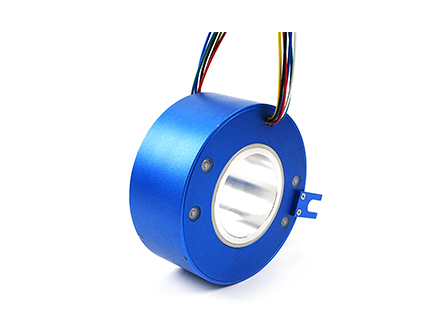
Why Is High Temperature Slip Ring Selection Important?
Slip Rings are used to transfer electrical power and signals between stationary and rotating components. In normal operating environments, a conventional slip ring may be sufficient. However, when the surrounding temperature or the temperature around the mounting position increases significantly, standard materials and insulation systems may no longer provide the required performance.
High temperature Slip Rings are specifically developed for applications where elevated temperatures are part of the operating environment. Depending on the design, high-temperature models can be used in equipment such as heating systems, hot rollers, industrial processing machinery, testing equipment, and other specialized rotating systems.
The actual temperature requirement should be determined by measuring the temperature at the slip ring installation location rather than simply looking at the temperature generated by the machine. In some applications, the machine itself may operate at a very high temperature while the slip ring installation area remains within the normal operating range. In such cases, a standard slip ring may still be suitable.
1. Determine the Required Operating Temperature
The first step when choosing a high temperature electrical slip ring is to determine the actual operating temperature. Consider the normal temperature, maximum temperature, minimum temperature, and duration of exposure.
Continuous exposure to elevated temperatures can affect insulation, contact materials, lubricants, cables, and mechanical components. Therefore, the selected slip ring should have a suitable temperature rating for the actual application rather than being selected only according to short-term peak temperature.
It is also important to consider temperature fluctuations. Equipment that repeatedly heats and cools may create thermal expansion and contraction, which can affect mechanical tolerances and electrical contact performance over time.
2. Check Current and Voltage Requirements
The electrical load is another important consideration when selecting a high temperature Rotary Slip Ring. Determine the rated voltage and current required by each circuit before selecting a model.
Power transmission circuits generally have different requirements from low-current signal circuits. Some applications may also require a combination of power, control signals, sensor signals, and communication channels in one slip ring.
Providing accurate electrical specifications to the manufacturer helps engineers determine the appropriate number and type of conductive circuits. It can also prevent overheating caused by an unsuitable electrical configuration.
3. Consider Rotational Speed
Rotational speed can directly influence the mechanical and electrical performance of a slip ring. As rotational speed increases, contact friction, wear, heat generation, and mechanical requirements may also increase.
Therefore, the maximum rotational speed of the equipment should be provided when selecting a high temperature slip ring. The manufacturer can then determine whether a particular contact structure, material, bearing configuration, or customized design is appropriate.
High-temperature applications with continuous rotation require special attention because both environmental heat and friction-related heat may affect the internal components. A suitable design should consider the combined thermal conditions rather than treating operating temperature and rotational speed separately.
4. Determine the Number of Circuits
Different rotating machines require different numbers of electrical circuits. Before selecting a high temperature slip ring, determine how many power, signal, sensor, or communication channels need to pass through the rotating interface.
A simple application may only require several power circuits, while a more advanced system may need multiple power channels together with signal or data transmission. Combining different transmission functions into one slip ring can reduce installation complexity and make the rotating system more compact.
5. Identify the Signal Type
Not every slip ring is designed for the same type of signal. If the application requires sensor signals, control signals, thermocouple signals, or communication data, the transmission requirements should be clearly specified.
Signal integrity can be particularly important in industrial testing and measurement equipment. Electrical noise, contact resistance, electromagnetic interference, and the characteristics of the transmitted signal can affect measurement accuracy and system stability.
For this reason, a high temperature slip ring used for signal transmission should be evaluated according to the actual signal type instead of being selected only according to its temperature rating.
6. Check the Installation Dimensions
Mechanical dimensions are equally important when choosing a high temperature slip ring. Before selecting a model, measure the available installation space and determine the required outer diameter, length, shaft diameter, through-hole size, and mounting method.
If the available installation space is limited, a compact customized slip ring may be required. The cable outlet position, connector type, mounting flange, and wiring direction should also be considered during the design stage.
7. Evaluate the Working Environment
Temperature is only one part of the working environment. A high temperature slip ring may also need to operate under conditions involving dust, moisture, vibration, chemicals, pressure, or corrosive substances.
If the equipment operates in a dusty or humid environment, the required protection level should be considered. For applications involving chemicals or corrosive materials, the housing and internal materials may need to be selected accordingly.
Vibration is another important factor. Continuous vibration can affect mechanical connections, bearings, contacts, and cable connections. Therefore, the mechanical conditions of the rotating equipment should be included in the selection process.
8. Consider Contact Materials
Contact materials have an important influence on electrical conductivity, contact resistance, friction, wear, and service life. For high-temperature applications, material selection becomes even more important because elevated temperatures can accelerate material aging and affect contact characteristics.
Depending on the electrical and environmental requirements, different conductive and contact materials may be considered. The appropriate choice should be determined according to the actual current, signal type, temperature, rotational speed, and expected operating life.
9. Consider Service Life and Maintenance
If the equipment operates continuously, service life should be an important part of the high temperature slip ring selection process. Frequent replacement can increase equipment downtime and maintenance costs.
When evaluating different designs, consider contact wear, bearing life, operating temperature, rotational speed, duty cycle, and environmental conditions. A properly matched slip ring can help provide stable performance throughout the expected operating period.
10. When Should You Choose a Custom High Temperature Slip Ring?
A standard high temperature slip ring can be suitable for applications with conventional electrical and mechanical requirements. However, customized solutions may be more appropriate when the equipment has unusual temperature, dimensional, electrical, or environmental requirements.
A custom high temperature slip ring may be developed according to requirements such as:
Special operating temperature requirements
Specific current and voltage ratings
Different numbers of power or signal circuits
Special rotational speed requirements
Limited installation space
Special mounting structures
Specific cable outlet positions
Special signal or data transmission requirements
Additional environmental protection
OEM or application-specific requirements
Working with a professional high temperature slip ring manufacturer can make the selection process more efficient because the manufacturer can evaluate the complete operating conditions and recommend a suitable configuration.
High Temperature Slip Ring Selection Checklist
| Parameter | What You Need to Confirm |
|---|---|
| Operating Temperature | Normal, maximum, minimum, and continuous operating temperature |
| Current | Current required for each power or signal circuit |
| Voltage | Rated operating voltage |
| Rotational Speed | Normal and maximum RPM |
| Circuits | Number of power, signal, sensor, or data channels |
| Dimensions | Outer diameter, length, bore size, and mounting space |
| Environment | Dust, moisture, vibration, chemicals, and other conditions |
| Installation | Mounting method, connector, and cable outlet position |
Common Applications of High Temperature Slip Rings
High temperature slip rings are commonly considered for rotating equipment exposed to elevated temperatures. Typical applications include heating equipment, hot rollers, industrial processing machinery, packaging equipment, testing systems, automation equipment, and specialized manufacturing machinery.
In these applications, the slip ring allows electrical power or signals to pass continuously between stationary and rotating components. This eliminates the need for flexible cables to continuously twist during rotation and helps maintain a continuous electrical connection.
How to Work With a High Temperature Slip Ring Manufacturer
When contacting a manufacturer, providing complete technical information can significantly improve the efficiency of the selection process. Instead of simply asking for a "high temperature slip ring," provide the actual operating conditions of the equipment.
Important information can include the operating temperature, current, voltage, rotational speed, number of circuits, signal type, installation dimensions, protection requirements, and application environment. Drawings, photographs, or existing slip ring specifications can also help engineers understand the installation requirements.
Based on these parameters, the manufacturer can recommend a suitable standard model or develop a customized solution when necessary. For specialized applications, prototype testing and performance verification may also be useful before large-scale production.
Choosing the right high temperature slip ring requires a complete evaluation of the electrical, mechanical, thermal, and environmental conditions of the rotating equipment. Operating temperature is an important starting point, but current, voltage, rotational speed, circuit configuration, dimensions, signal type, and environmental conditions should also be considered.
For general applications, a standard high temperature slip ring may provide a practical solution. For equipment with special electrical, mechanical, or thermal requirements, a custom design can provide a better fit and more reliable long-term operation.
If you are looking for a suitable solution for your rotating equipment, explore our High Temperature Slip Ring products and contact our team with your technical requirements for a suitable recommendation.
Frequently Asked Questions
What is the most important factor when choosing a high temperature slip ring?
Operating temperature is one of the most important factors, but it should be evaluated together with current, voltage, rotational speed, circuit configuration, dimensions, and environmental conditions.
Can a standard slip ring be used in a high-temperature environment?
It depends on the actual temperature at the slip ring installation location and the specifications of the standard model. If the operating temperature exceeds the rated range of the standard slip ring, a high temperature design should be considered.
Can a high temperature slip ring transmit both power and signals?
Yes. Depending on the design, a high temperature slip ring can be configured to transmit power, control signals, sensor signals, and other electrical signals. The required circuits and signal types should be specified during the selection process.
Can high temperature slip rings be customized?
Yes. Customization can include operating temperature, current, voltage, number of circuits, rotational speed, dimensions, mounting method, cable configuration, and other application-specific requirements.
What information should I provide when requesting a high temperature slip ring?
It is recommended to provide the operating temperature, current, voltage, rotational speed, number of circuits, signal type, installation dimensions, mounting method, environmental conditions, and any available equipment drawings or specifications.