
Temperature is one of the most important factors to consider when selecting a Slip Ring for industrial equipment. A standard slip ring may work reliably under normal operating conditions, but when the surrounding environment becomes hot, its insulation, contacts, bearings, lubrication, and wiring may no longer perform as expected. This is where high-temperature Slip Rings become an important solution.
But how hot can a high-temperature slip ring actually operate? The answer is not a single temperature value. Different slip ring designs are engineered for different temperature ranges, and the actual temperature capability depends on materials, electrical load, rotational speed, operating time, and the surrounding environment.
This guide explains how temperature ratings are determined, what factors affect the performance of a high temperature slip ring, and how to select the right solution for demanding applications.
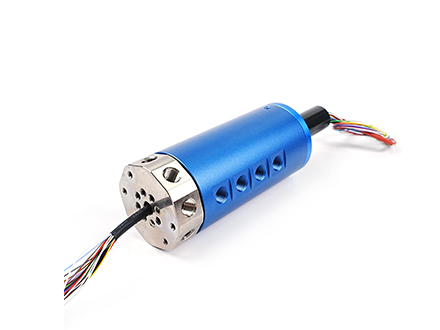
What Is the Temperature Rating of a Slip Ring?
The temperature rating of a slip ring refers to the temperature range within which the product is designed to operate reliably. It is important to distinguish between the ambient temperature around the slip ring and the actual internal temperature of its components.
For example, a machine may operate in an environment with elevated ambient temperature, while electrical current flowing through the slip ring generates additional heat inside the assembly. Friction between contacts and rotating components can also contribute to temperature rise.
Therefore, the actual operating condition should be evaluated as a combination of:
Ambient temperature
Temperature generated by electrical current
Friction and rotational heat
Heat transferred from nearby equipment
Continuous operating time
Cooling and ventilation conditions
A reliable high temperature slip ring manufacturer should consider these factors when determining the appropriate temperature rating for a specific application.
How Hot Can High-Temperature Slip Rings Handle?
There is no universal maximum temperature for all high-temperature slip rings. Different models can be designed for different operating conditions, ranging from moderately elevated industrial temperatures to much more demanding thermal environments.
The maximum allowable temperature is primarily determined by the weakest temperature-sensitive component in the assembly. Even if the metal housing can tolerate very high temperatures, the insulation, bearings, lubricant, seals, or internal wiring may have lower temperature limits.
For this reason, buyers should not select a slip ring based only on the temperature capability of its housing or conductive components. The complete assembly must be evaluated.
Depending on the application, specialized high-temperature Rotary Slip Rings can be engineered with heat-resistant insulation, conductive materials, bearings, wires, and other components to maintain reliable operation under elevated temperatures.
Why Temperature Resistance Matters for Slip Rings
High temperature can affect both the electrical and mechanical performance of a slip ring. When the operating temperature exceeds the recommended range, several problems may occur.
Insulation Degradation
Electrical insulation materials can gradually lose their performance when exposed to temperatures beyond their designed operating range. This may increase the risk of leakage current, insulation breakdown, or short circuits.
Contact Resistance Changes
Temperature can influence the electrical characteristics of the contact interface. Excessive heat may contribute to changes in contact resistance, which can affect power transmission and signal stability.
Accelerated Wear
High temperatures can affect the mechanical properties of contact materials and other internal components. Combined with high rotational speed, this may increase wear and reduce service life.
Lubrication Problems
Bearings and other moving components often depend on lubricants. If the selected lubricant is not suitable for the operating temperature, it may lose viscosity, degrade, or fail to provide sufficient protection.
Cable and Seal Damage
Internal cables, seals, and protective materials also have temperature limitations. A slip ring may appear mechanically stable while its wiring or sealing materials deteriorate due to prolonged heat exposure.
What Determines the Temperature Capability of a High-Temperature Slip Ring?
1. Insulation Material
Insulation is one of the most important components in a high-temperature electrical slip ring. The selected insulation material must maintain appropriate dielectric properties at the expected operating temperature.
For high-temperature applications, manufacturers may use specialized insulation materials designed to remain stable under thermal stress. The choice depends on the required temperature range, voltage, circuit configuration, and environmental conditions.
2. Contact Material
The electrical contact system directly influences both conductivity and wear. Different contact materials have different thermal characteristics, electrical properties, and resistance to mechanical wear.
For applications involving continuous rotation and elevated temperatures, the contact material must be selected to maintain stable electrical contact while limiting excessive wear and heat generation.
3. Bearing System
Bearings support the rotating structure and directly affect mechanical performance. Their temperature rating must be compatible with the application's operating environment.
If the bearing is exposed to temperatures beyond its rated range, lubricant degradation and material expansion can affect rotational performance and service life.
4. Lubrication
Lubrication becomes particularly important in high-temperature applications. Conventional lubricants may not be suitable for continuous operation at elevated temperatures.
A suitable lubrication system can help reduce friction and heat generation while maintaining stable rotation. The appropriate lubricant should always be selected according to the manufacturer's design requirements.
5. Electrical Load
Current passing through a slip ring generates heat. Higher current loads can therefore increase the internal temperature of the assembly.
This means that a slip ring's temperature performance cannot be evaluated independently from its current rating. A design operating at a relatively high current may require additional consideration even when the surrounding ambient temperature is moderate.
6. Rotational Speed
Rotational speed can also influence temperature. Higher speeds can increase friction and mechanical heat generation at the contact interface and bearings.
When selecting a high temperature slip ring, the temperature requirement should therefore be evaluated together with the required RPM rather than treated as an independent specification.
7. Installation and Cooling
Heat dissipation depends strongly on installation conditions. Natural ventilation, forced air cooling, surrounding structures, and the distance from external heat sources can all influence the actual temperature inside the slip ring.
A slip ring installed close to a furnace, heating chamber, or other high-temperature component may experience substantially more thermal stress than the same product installed in an open environment.
Continuous Temperature vs Peak Temperature
One of the most important distinctions when selecting high-temperature slip rings is the difference between continuous operating temperature and short-term peak temperature.
A component may tolerate a higher temperature for a short period without immediate failure, but continuous exposure to that same temperature can accelerate material aging and reduce service life.
For example, an application may have a normal operating temperature with occasional temperature spikes. In this situation, the manufacturer needs to know both values:
Normal continuous operating temperature
Maximum peak temperature
Duration of each temperature peak
Frequency of temperature cycles
Cooling time between cycles
Providing this information helps the high temperature slip ring supplier select a design that is appropriate for the actual operating profile.
How Temperature Affects Slip Ring Service Life
Operating a slip ring continuously near or above its maximum rated temperature can shorten its service life. Thermal stress may accelerate the aging of insulation, contacts, bearings, wires, and other internal components.
Temperature can also interact with other operating factors. For example, high temperature combined with high current and high rotational speed may create considerably more internal heat than any single factor alone.
For demanding equipment, it is therefore better to select a slip ring with an appropriate thermal margin rather than designing the system to operate permanently at the absolute maximum temperature limit.
High-Temperature Slip Rings for Different Applications
Industrial Machinery
Industrial machines may generate substantial heat during continuous operation. A high-temperature slip ring can provide power and signal transmission between rotating and stationary components without requiring cables to twist repeatedly.
Thermal Processing Equipment
Rotating furnaces and thermal processing systems may expose electrical components to elevated temperatures. A properly engineered rotary electrical connector can help maintain electrical continuity in these environments.
Testing Equipment
High-temperature testing systems often require sensors and measurement devices to operate while exposed to controlled thermal conditions. Slip rings can transmit sensor signals and power from rotating test components to stationary measurement equipment.
Aerospace Systems
Aerospace applications can combine demanding temperature conditions with strict requirements for weight, reliability, electrical performance, and mechanical stability. Specialized slip rings can be designed according to the specific requirements of the rotating system.
Rotating Sensors
Rotating measurement systems may require continuous signal transmission while operating near heat sources. A high-temperature electrical slip ring can provide a stable connection between stationary data acquisition equipment and rotating sensors.
How to Choose the Right High-Temperature Slip Ring
Temperature should be one of the first specifications considered, but it should not be the only one. A suitable slip ring should match the complete operating environment.
Step 1: Define the Temperature Range
Determine the normal operating temperature and maximum temperature. Also identify whether the temperature is continuous, intermittent, or cyclic.
Step 2: Determine Current and Voltage
Specify the required current and voltage for every circuit. Power circuits and signal circuits may have significantly different requirements.
Step 3: Confirm Rotational Speed
Provide the required RPM because rotational speed affects contact wear, friction, heat generation, and bearing performance.
Step 4: Define the Number of Circuits
Identify the number of power, signal, sensor, control, or communication channels that need to pass through the slip ring.
Step 5: Consider the Installation Environment
Provide information about dust, moisture, vibration, chemicals, pressure, nearby heat sources, and available cooling. These conditions may significantly affect the actual performance of the slip ring.
Step 6: Discuss Custom Requirements With the Manufacturer
If the application involves unusually high temperatures, high rotational speed, high current, or limited installation space, a customized design may provide better performance than a standard model.
Can a Standard Slip Ring Be Used Instead?
A standard slip ring can only be used when its specified operating temperature and other technical parameters are suitable for the application.
If the equipment operates beyond the recommended temperature range, simply installing a standard slip ring may result in premature wear, electrical instability, insulation failure, or reduced service life.
For applications with significant thermal exposure, a specialized high temperature slip ring manufacturer can evaluate whether a standard model is sufficient or whether a dedicated high-temperature design is required.
What Should You Tell a High-Temperature Slip Ring Supplier?
Providing complete technical information makes it easier for a supplier to recommend the correct product. When requesting a quotation, buyers should ideally provide the following information:
Operating temperature range
Maximum temperature
Continuous or intermittent operating conditions
Number of circuits
Rated current
Rated voltage
Rotational speed
Signal or data requirements
Required dimensions
Mounting method
Environmental conditions
Expected service life
The more complete the application information, the easier it is for a high temperature slip ring supplier to evaluate the appropriate configuration.
Frequently Asked Questions
What is the maximum temperature a high-temperature slip ring can handle?
There is no universal maximum temperature for all high-temperature slip rings. The allowable temperature depends on the specific design, insulation, contact materials, bearings, lubrication, wiring, electrical load, rotational speed, and operating conditions.
Does a higher temperature rating always mean a better slip ring?
Not necessarily. The slip ring should be selected according to the actual application. A higher temperature rating may not provide additional value if the equipment operates at a much lower temperature, while other parameters such as current, speed, circuit quantity, or dimensions may be more important.
Can high-temperature slip rings transmit signals?
Yes. Depending on the design, high-temperature slip rings can transmit power, control signals, sensor signals, and other electrical signals. Sensitive signal applications may require additional shielding or specialized contact configurations.
What happens if a slip ring operates above its rated temperature?
Operating above the specified temperature range can accelerate insulation aging, increase wear, affect contact performance, degrade lubrication, and shorten the service life of the slip ring. In severe cases, it can cause electrical or mechanical failure.
Can high-temperature slip rings be customized?
Yes. Custom high-temperature slip rings can be designed according to temperature, current, voltage, rotational speed, circuit quantity, dimensions, signal type, mounting requirements, and environmental conditions.
How can I determine which high-temperature slip ring is right for my equipment?
Start by defining the temperature range, current, voltage, RPM, circuit quantity, installation dimensions, and environmental conditions. Then provide these specifications to an experienced manufacturer or supplier for technical evaluation.