
High-temperature Slip Rings are specialized electrical rotary connectors designed to transmit power and electrical signals between stationary and rotating components while operating in elevated-temperature environments. Unlike standard Slip Rings, high-temperature slip rings are engineered with heat-resistant materials, insulation systems, contact structures, and housings that can maintain reliable electrical performance under demanding thermal conditions.
In industrial equipment, aerospace systems, testing machines, rotating furnaces, high-temperature processing equipment, and other applications, ordinary slip rings may experience accelerated wear, insulation degradation, unstable electrical contact, or shortened service life when exposed to excessive heat. A properly designed high-temperature slip ring helps maintain continuous electrical transmission while the equipment is rotating.
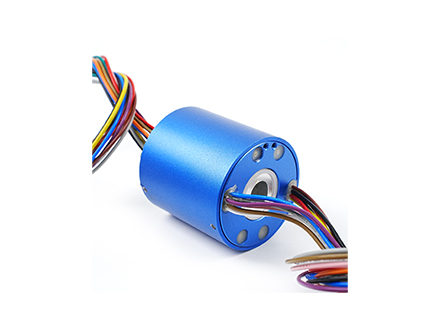
What Are High-Temperature Slip Rings?
A high-temperature slip ring is an electromechanical device that transfers electrical power, control signals, or data between a stationary structure and a rotating assembly in environments where temperatures exceed the normal operating range of conventional slip rings.
The basic function is similar to a conventional slip ring. The stationary side is connected to an external power supply or control system, while the rotating side connects to motors, sensors, heating elements, cameras, actuators, or other rotating components. Conductive rings and brushes maintain electrical contact as the assembly rotates.
However, every component must be selected according to the expected operating temperature. Contact materials, insulating materials, bearings, seals, lubricants, wires, and housing materials can all affect the performance and service life of a high-temperature Rotary Slip Ring.
How Do High-Temperature Slip Rings Work?
The operating principle of a high-temperature slip ring is based on continuous electrical contact between rotating conductive rings and stationary brushes or contacts.
When the rotating shaft turns, the conductive rings rotate with it. The brushes remain stationary and maintain contact with the corresponding rings. This structure allows electrical current or signals to pass continuously from the stationary side to the rotating side without twisting or damaging cables.
For high-temperature applications, the basic electrical principle remains the same, but the internal construction must be adapted to thermal conditions. Heat-resistant insulating materials can help prevent electrical leakage and insulation breakdown, while suitable conductive materials help maintain stable contact performance.
The design may also require special bearing systems, high-temperature wiring, protective housings, and temperature-resistant lubrication. These details are particularly important when the slip ring operates continuously at elevated temperatures.
Why Are High-Temperature Slip Rings Needed?
Temperature can significantly affect the performance of electrical and mechanical components. As temperature increases, conventional insulation materials may become less stable, lubricants may lose their original properties, and contact resistance can change.
In a standard slip ring, excessive heat may contribute to several problems, including increased contact resistance, electrical noise, brush wear, insulation deterioration, and reduced operating life.
High-temperature slip rings are designed to address these challenges. By selecting appropriate materials and optimizing the internal structure, manufacturers can create rotary electrical connectors that remain functional in demanding thermal environments.
For equipment manufacturers, choosing the correct high-temperature slip ring can therefore improve system reliability and reduce the risk of unexpected maintenance or component replacement.
Key Features of High-Temperature Slip Rings
1. High Temperature Resistance
The most important characteristic is the ability to operate reliably at elevated temperatures. The actual temperature rating depends on the design, materials, electrical load, rotational speed, and environmental conditions.
Instead of selecting a slip ring based only on a general temperature number, engineers should consider the complete operating environment, including continuous temperature, peak temperature, heating cycles, and heat generated by nearby components.
2. Stable Electrical Transmission
A high-temperature slip ring should provide stable power or signal transmission during continuous rotation. Proper contact design can help minimize electrical resistance, signal fluctuations, and unnecessary electrical noise.
This is especially important for applications involving sensors, control signals, measurement equipment, or communication systems where unstable transmission can affect the accuracy of the entire machine.
3. Heat-Resistant Insulation
Insulation is a critical component of any high-temperature electrical slip ring. The insulation material must maintain appropriate electrical properties at the expected operating temperature.
When the insulation system is not suitable for the environment, high temperatures can cause degradation, reduced dielectric strength, or electrical leakage. For this reason, high-temperature insulation materials should be selected according to the actual application requirements.
4. Durable Contact Materials
The contact interface directly affects electrical performance and service life. Depending on the application, manufacturers may use different conductive and contact materials to balance conductivity, wear resistance, contact stability, and temperature resistance.
5. Continuous Rotation
High-temperature slip rings are designed to maintain electrical connectivity while the equipment rotates. Depending on the specific model, they can support different rotational speeds, circuit numbers, current ratings, and signal types.
6. Customizable Configuration
Industrial applications rarely have identical electrical and mechanical requirements. A high-temperature slip ring can be customized according to parameters such as circuit quantity, current, voltage, rotational speed, operating temperature, installation dimensions, signal type, and cable configuration.
What Temperature Can a High-Temperature Slip Ring Handle?
There is no single temperature rating that applies to every high-temperature slip ring. The maximum operating temperature depends on the materials and construction of the specific model.
Some applications may require components capable of operating at moderately elevated temperatures, while specialized industrial or testing environments may require much higher temperature resistance.
When selecting a high-temperature slip ring, engineers should provide the manufacturer with the actual operating temperature rather than simply describing the environment as "high temperature." It is useful to specify the continuous operating temperature, maximum temperature, duration of exposure, and whether the temperature changes rapidly during operation.
This information allows the manufacturer to select suitable insulation, bearings, contacts, wires, seals, and other components.
Applications of High-Temperature Slip Rings
Industrial Machinery
High-temperature slip rings can be used in industrial machinery where rotating components operate close to heat sources. They provide continuous power and signal transmission without requiring cables to rotate and twist repeatedly.
High-Temperature Testing Equipment
Testing systems may expose rotating components to elevated temperatures to evaluate material performance, mechanical reliability, or electrical characteristics. A high-temperature Rotary Slip Ring can transmit measurement signals and power during these tests.
Aerospace Equipment
Aerospace systems may involve strict requirements for weight, reliability, temperature resistance, and electrical performance. Specialized slip rings can be used in rotating assemblies where conventional cable connections are impractical.
Rotating Furnaces and Thermal Processing Equipment
Thermal processing machinery can expose electrical components to significant heat. High-temperature slip rings can help transfer electrical power or signals between rotating and stationary sections while maintaining continuous operation.
Robotics and Automated Equipment
Some automated systems combine rotation with heat-generating processes. In these situations, a temperature-resistant slip ring can help provide reliable electrical connections without limiting the movement of the equipment.
Industrial Measurement Systems
Rotating sensors and measurement devices may need to transmit data continuously while operating in elevated-temperature environments. High-temperature electrical slip rings can provide a practical connection between rotating sensors and stationary data acquisition systems.
How to Choose the Right High-Temperature Slip Ring
Selecting a high-temperature slip ring requires more than checking the temperature rating. Several technical parameters should be evaluated together.
Operating Temperature
Start with the actual temperature range. Identify both the normal continuous temperature and the maximum temperature that the slip ring may experience.
Current and Voltage
Determine the current and voltage required for each circuit. Power circuits generally have different requirements from low-current signal circuits, so the electrical configuration should be clearly defined.
Rotational Speed
Rotational speed directly affects contact wear, friction, heat generation, and mechanical performance. A slip ring designed for low-speed operation may not be suitable for high-speed equipment.
Number of Circuits
Determine how many independent circuits are required. The system may need separate channels for power, control signals, sensors, communication, or other electrical functions.
Signal Type
If the slip ring needs to transmit sensitive signals, the signal type should be specified during the design stage. Data transmission may require additional consideration for shielding, electrical noise, impedance, and signal integrity.
Installation Space
The available space determines the outside diameter, length, shaft configuration, mounting method, and cable exit design. Providing accurate mechanical dimensions helps the manufacturer select or customize the appropriate slip ring.
High-Temperature Slip Rings vs Standard Slip Rings
The primary difference between high-temperature slip rings and standard slip rings is their ability to maintain reliable operation under elevated thermal conditions.
Standard slip rings are generally designed for normal industrial operating environments. Their materials, insulation, lubrication, and housing may not be suitable for prolonged exposure to high temperatures.
High-temperature slip rings use specialized materials and construction methods to improve thermal resistance. They are designed for applications where temperature is an important operating parameter rather than simply an incidental environmental condition.
Therefore, replacing a standard slip ring with a high-temperature model should be considered when the operating temperature exceeds the recommended range of the existing component.
How to Extend the Service Life of High-Temperature Slip Rings
Correct product selection is the first step toward achieving a long service life. The slip ring should be matched to the actual electrical, mechanical, rotational, and thermal conditions.
Installation is equally important. Incorrect mounting, excessive mechanical loads, misalignment, vibration, or unsuitable cable routing can increase wear and affect performance.
Regular inspection can also help identify abnormal contact resistance, unusual noise, excessive wear, or overheating before these issues develop into major failures.
For demanding applications, manufacturers should also consider the complete system design rather than evaluating the slip ring as an isolated component. Heat sources, ventilation, surrounding components, operating cycles, and maintenance conditions can all influence the actual performance of the product.
Why Work With a Professional High-Temperature Slip Ring Manufacturer?
High-temperature applications often require more detailed engineering than standard rotary electrical connections. A professional high-temperature slip ring manufacturer can evaluate the application's temperature, current, voltage, speed, circuit quantity, dimensions, and signal requirements before recommending an appropriate configuration.
For OEM equipment manufacturers, custom design can be especially useful when the required slip ring does not match a standard catalog model. A customized solution can integrate the required electrical circuits and mechanical dimensions while considering the thermal environment.
When comparing high-temperature slip ring suppliers, buyers should consider product specifications, manufacturing capabilities, quality control, customization support, testing procedures, and technical service rather than focusing only on the initial purchase price.
FAQ
What is a high-temperature slip ring?
A high-temperature slip ring is a rotary electrical connector designed to transmit power or signals between stationary and rotating components while operating in elevated-temperature environments.
Can a standard slip ring be used in a high-temperature environment?
It depends on the manufacturer's specified operating range. If the actual temperature exceeds the rated temperature of the standard slip ring, a specialized high-temperature model should be considered.
What factors affect the temperature rating of a slip ring?
Material selection, insulation, contact structure, bearings, lubrication, wiring, housing design, electrical load, rotational speed, and surrounding environmental conditions can all affect the temperature capability of a slip ring.
Can high-temperature slip rings transmit both power and signals?
Yes. Depending on the design, a high-temperature slip ring can be configured to transmit power, control signals, sensor signals, and other electrical connections. The exact configuration should be selected according to the application.
Can high-temperature slip rings be customized?
Yes. Custom configurations can be developed according to requirements such as temperature range, circuit quantity, current, voltage, rotational speed, dimensions, mounting method, signal type, and cable configuration.
How do I choose a high-temperature slip ring manufacturer?
Look for a supplier with experience in rotary electrical connectors, reliable manufacturing capabilities, appropriate testing procedures, customization support, and the ability to evaluate the complete operating environment rather than temperature alone.