Information
Focus on RHD Precision Industry - Get to know the new information of the industry quickly!


Focus on RHD Precision Industry - Get to know the new information of the industry quickly!
2026-06-04 12:19:27
In today's manufacturing industry, efficiency, precision, and reliability are essential for maintaining a competitive advantage. As CNC technology continues to evolve, many machine components work behind the scenes to ensure smooth and uninterrupted production. One of the most important yet often overlooked components is the rotary union.Understanding how Rotary Unions work can help manufacturers optimize machine performance, reduce downtime, and improve machining accuracy.
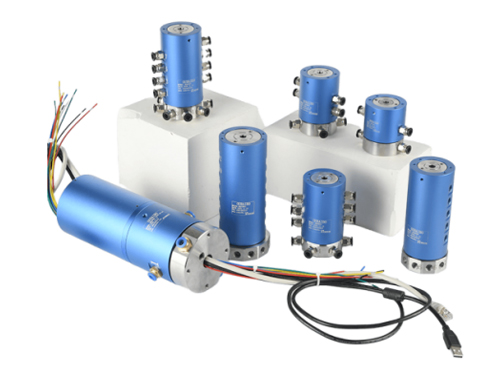
A Rotary Union, sometimes referred to as a rotary joint, is a mechanical device designed to transfer fluids or gases from a stationary source into rotating equipment. In a modern CNC machining center, rotary unions are commonly installed within rotating spindles to deliver coolant, air, hydraulic fluid, or other media directly to cutting tools.
Without a reliable fluid transfer system, high-speed machining operations would struggle to maintain proper cooling and lubrication, leading to excessive tool wear and reduced productivity.
How Rotary Unions Work in CNC Machines
The working principle of a CNC rotary union is relatively straightforward. The stationary housing is connected to the fluid supply line, while the rotating shaft is connected to the machine spindle. Special sealing elements inside the union maintain a secure connection while allowing continuous rotation.
As the spindle rotates at high speeds, the rotary union enables coolant or air to flow through the spindle and directly reach the cutting area. This continuous transfer ensures optimal cooling and chip removal during machining.
A high-quality spindle rotary union can maintain stable performance even under demanding conditions involving high pressure, high temperatures, and rapid spindle speeds.
A coolant rotary union allows coolant to reach the cutting edge precisely where it is needed. Better cooling improves surface finish, extends tool life, and supports higher machining speeds.
Many CNC systems use compressed air for cleaning chips and operating pneumatic components. Rotary unions ensure uninterrupted air supply during spindle rotation.
By maintaining proper lubrication and cooling, rotary unions help minimize friction and thermal stress on machine components.
Consistent fluid transfer contributes to longer machine uptime, fewer maintenance interruptions, and increased overall productivity.
Today's rotary unions are engineered to meet the growing demands of industrial automation. Common features include:
High-speed operation capability
Leak-resistant sealing technology
Compact and lightweight design
Long service life
Corrosion-resistant materials
Compatibility with multiple media such as coolant, air, oil, and water
These characteristics make rotary unions a critical component in advanced manufacturing environments.
The versatility of rotary unions extends far beyond CNC equipment. Popular rotary union applications include:
CNC machining centers
Milling and turning machines
Robotics systems
Packaging equipment
Printing machinery
Steel processing lines
Injection molding machines
Automated production systems
As smart factories continue to expand, the demand for reliable rotary union solutions continues to grow.
Selecting the correct rotary union directly affects machining performance and equipment longevity. Factors such as operating speed, fluid type, pressure requirements, and temperature conditions should all be considered when choosing a solution.
A properly matched rotary union can significantly improve process stability while lowering maintenance costs over the long term.
A rotary union transfers coolant, air, or other fluids from a stationary source to a rotating spindle, ensuring efficient machining operations.
By delivering coolant directly to the cutting zone, it reduces heat buildup and friction, helping cutting tools last longer.
Yes. Many modern rotary unions are designed to transfer coolant, compressed air, hydraulic oil, water, or a combination of media.
Maintenance schedules vary depending on operating conditions, but regular inspections can help prevent seal wear and unexpected downtime.

Phone: +86 13622631318
Email:info@reehonde.com
Add: Room 301, Building 1, No. 11, Dalingshan Lakeside South 1st Street, Dalingshan Town, Dongguan City, Guangdong Province, China
Copyright © 2026 Dongguan Rui-Hong-De Precision Industry Co., Ltd All rights reserved. Privacy policy | Terms and Conditions


