Information
Focus on RHD Precision Industry - Get to know the new information of the industry quickly!


Focus on RHD Precision Industry - Get to know the new information of the industry quickly!
2025-11-05 11:33:53
In today’s fast-paced industrial and technological landscape, the need for reliable, flexible, and efficient electrical connections has never been greater. One device that addresses these demands is the Electrical Swivel Joint. This specialized component allows electrical current to pass between stationary and rotating parts, enabling continuous rotation without tangling or damaging cables. Whether used in robotics, automation, wind turbines, or heavy machinery, electrical swivel joints are critical for improving system performance and operational safety.
This article provides an in-depth look at electrical swivel joints, including their definition, working principles, components, types, applications, advantages, design considerations, maintenance, and future trends.
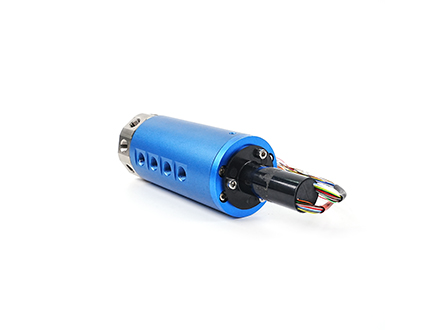
An electrical swivel joint, also known as a rotary electrical joint, is a mechanical device that provides a rotating electrical connection between two parts. Unlike traditional fixed connections, electrical swivels allow one part of a system to rotate freely while maintaining uninterrupted electrical conductivity. This functionality is essential in machines and systems where continuous rotation occurs, preventing cable twisting, wear, and potential failure.
Continuous Rotation: The main function of an electrical swivel joint is to allow 360-degree rotation or partial rotation without interrupting the electrical connection.
Electrical Conductivity: It ensures reliable transmission of power, signals, or data through the joint.
Cable Management: By eliminating the need for twisting cables, it prevents premature wear, reduces maintenance costs, and increases system reliability.
Compact and Flexible Integration: Electrical swivels can be designed to fit within constrained spaces while supporting high rotational speeds and varying voltage/current requirements.
An electrical swivel joint typically consists of several key components:
Rotary Interface: The part that rotates relative to the stationary section.
Stationary Interface: The fixed section that remains connected to the power or signal source.
Conductive Elements: Often copper rings, brushes, or Slip Rings that ensure uninterrupted electrical conductivity.
Insulation System: Prevents electrical short circuits and ensures safe operation under varying voltages.
Housing and Bearings: Provide mechanical support and smooth rotation, protecting internal components from dust, moisture, and vibration.
Advanced electrical swivel joints may include additional components such as integrated cooling systems, multiple electrical circuits, or signal/data transmission capabilities for more complex applications.
Depending on design and application, electrical swivel joints can be classified into several types:
Single-Circuit Electrical Swivel: Transmits electrical power through one circuit, suitable for simple machinery.
Multi-Circuit Electrical Swivel: Allows multiple independent electrical connections, often used in robotics or complex industrial systems.
High-Voltage Electrical Swivel: Designed for applications requiring high-voltage transmission, such as power distribution systems or wind turbines.
Low-Voltage / Signal Transmission Swivel: Used for transmitting low-voltage signals or data in control systems, sensors, or instrumentation.
Customized Electrical Swivel Joints: Tailored to meet specific industrial requirements, including size constraints, rotational speed, or environmental resistance.
The working principle of an electrical swivel joint is relatively straightforward but mechanically sophisticated. The stationary and rotating components are connected through conductive elements (such as Slip Rings or brushes) that maintain continuous electrical contact. Bearings and housings ensure smooth rotation while minimizing friction.
In operation:
Power or signal enters the stationary interface.
Conductive elements transmit electricity across the rotating interface.
The rotary part turns freely, allowing mechanical rotation without cable entanglement or breakage.
This simple yet effective mechanism enables machines to operate continuously, safely, and efficiently, even under high-speed rotation conditions.
Electrical swivel joints are widely used across various industries due to their versatility and reliability:
In robotic arms and automated machinery, electrical swivels allow joints to rotate continuously while transmitting power and control signals, enhancing precision and reducing cable wear.
Wind turbine nacelles rotate to face the wind. Electrical swivel joints transmit generated power from the rotating blades to stationary electrical systems without tangling or stressing cables.
Rotary tables, packaging machines, and material handling systems rely on electrical swivel joints to deliver consistent electrical power and signals during continuous rotation.
Excavators, cranes, and drilling rigs often involve rotating parts that must maintain electrical connectivity for sensors, motors, and control systems. Electrical swivel joints ensure operational reliability in harsh environments.
Imaging devices, surgical robots, and other medical machinery require precise rotation with uninterrupted electrical supply, making electrical swivels ideal for these sensitive applications.
Rotating radar antennas, gyroscopes, and other instruments use electrical swivel joints for continuous rotation without cable entanglement, enhancing performance and safety.
Investing in high-quality electrical swivel joints provides several benefits:
Continuous Operation: Prevents cable twisting and allows uninterrupted rotation.
Enhanced Safety: Reduces risk of cable damage, short circuits, and system failures.
Durability and Reliability: Built to withstand mechanical stress, vibration, and environmental conditions.
Flexible Design: Can be customized for voltage, current, number of circuits, and rotation speed.
Reduced Maintenance Costs: Minimizes cable wear, failure, and downtime.
When designing or selecting an electrical swivel joint, several factors must be considered:
Voltage and Current Requirements: Ensure the swivel joint can handle the intended electrical load.
Rotation Speed: High-speed applications require precision bearings and low-friction conductive elements.
Environmental Conditions: Consider temperature, humidity, dust, or chemical exposure for housing and sealing materials.
Number of Circuits: Multi-circuit swivels may be required for complex machinery.
Mechanical Integration: Evaluate space constraints, mounting options, and compatibility with other machine components.
Collaborating with experienced manufacturers ensures that electrical swivel joints meet operational requirements and longevity standards.
Proper maintenance extends the lifespan and ensures reliable performance:
Regular Inspection: Check for wear on brushes, Slip Rings, and bearings.
Cleaning: Remove dust, dirt, or debris that can impede rotation or electrical contact.
Lubrication: Bearings should be lubricated according to manufacturer recommendations.
Replacement of Worn Parts: Brushes, seals, or bearings should be replaced promptly to prevent failure.
Electrical Testing: Periodically test circuits to ensure continuous conductivity and prevent downtime.
As technology evolves, electrical swivel joints are becoming more sophisticated:
Integration with Smart Systems: Sensors and IoT devices monitor joint performance in real time.
Compact and Lightweight Designs: Advanced materials allow smaller, lighter swivel joints without compromising durability.
High-Speed Capabilities: Precision engineering enables faster rotation for modern industrial and robotics applications.
Hybrid Solutions: Combining power, signal, and data transmission in a single swivel joint for simplified integration.
Sustainable Manufacturing: Use of eco-friendly materials and energy-efficient designs is gaining importance.
Electrical swivel joints are indispensable in modern mechanical and electrical systems, offering continuous rotation, reliable electrical connectivity, and operational flexibility. From industrial automation and robotics to wind turbines, medical devices, and aerospace systems, electrical swivels enhance performance, reduce maintenance, and improve safety.
Understanding the components, working principles, types, and applications of electrical swivel joints allows engineers and designers to select and implement the right solution for their needs. Proper design, maintenance, and innovation in electrical swivel technology ensure that rotating systems remain efficient, reliable, and future-ready.
For any industry that relies on continuous rotation and electrical connectivity, electrical swivel joints are not just a component—they are a critical enabler of performance, safety, and innovation.

Phone: +86 13622631318
Email:info@reehonde.com
Add: Room 301, Building 1, No. 11, Dalingshan Lakeside South 1st Street, Dalingshan Town, Dongguan City, Guangdong Province, China
Copyright © 2026 Dongguan Rui-Hong-De Precision Industry Co., Ltd All rights reserved. Privacy policy | Terms and Conditions


