A conductive Slip Ring is a critical electromechanical component that enables the continuous transmission of power and electrical signals between stationary and rotating parts. Also known as a slip ring, Electrical Slip Ring, or rotary electrical connector, this device is widely used in systems that require uninterrupted rotation without cable twisting or damage.
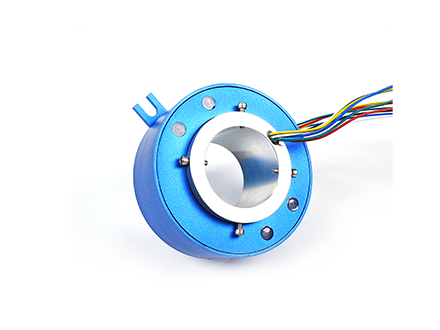
What Is a Conductive Slip Ring?
A conductive slip ring is essentially a rotating electrical connector designed to maintain a stable electrical connection while allowing 360-degree rotation. It consists of conductive rings mounted on a rotating shaft and stationary brushes that make contact with these rings. As the shaft rotates, electrical current and signals pass through the contact points without interruption.
This simple yet effective design makes the Electrical Slip Ring an ideal solution for applications where cables would otherwise tangle or wear out due to constant motion.
How Does a Slip Ring Work?
The working principle of a slip ring is based on sliding electrical contact. When the device rotates, the conductive rings spin along with the shaft, while the brushes remain fixed in place. These brushes maintain continuous contact with the rings, allowing electricity and data signals to flow seamlessly.
Because of this mechanism, a rotary electrical connector can transmit both power and complex signals, such as Ethernet, USB, or video data, depending on its design. Advanced models are engineered to minimize friction, reduce electrical noise, and ensure long-term reliability.
Key Components of an Electrical Slip Ring
A typical conductive slip ring includes the following main components:
Conductive rings: Provide the path for electrical current
Brushes (contacts): Maintain electrical connection with rotating rings
Shaft or housing: Supports rotation and structural integrity
Insulation materials: Prevent short circuits and signal interference
High-quality materials, such as gold-to-gold contacts, are often used in premium slip ring designs to improve conductivity and extend service life.
A rotating electrical connector is used in a wide range of industries, including:
Industrial automation and robotics
Wind turbines and renewable energy systems
CCTV and surveillance equipment
Medical imaging devices
Packaging and manufacturing machinery
In all these applications, the electrical slip ring ensures smooth rotation while maintaining reliable power and signal transmission.
Benefits of Using a Conductive Slip Ring
Using a conductive slip ring offers several advantages:
Enables continuous 360° rotation without cable damage
Reduces mechanical stress on wiring systems
Supports simultaneous power and signal transmission
Improves system reliability and efficiency
These benefits make the slip ring an essential component in modern rotating equipment.
Conclusion
In summary, a conductive slip ring is a highly efficient rotary electrical connector that allows power and signals to pass between stationary and rotating parts. By using a sliding contact mechanism, this rotating electrical connector ensures uninterrupted performance in dynamic systems. Whether in industrial machinery or advanced technology applications, the electrical slip ring plays a vital role in enabling smooth and reliable operation.